Our Programmes

Summary

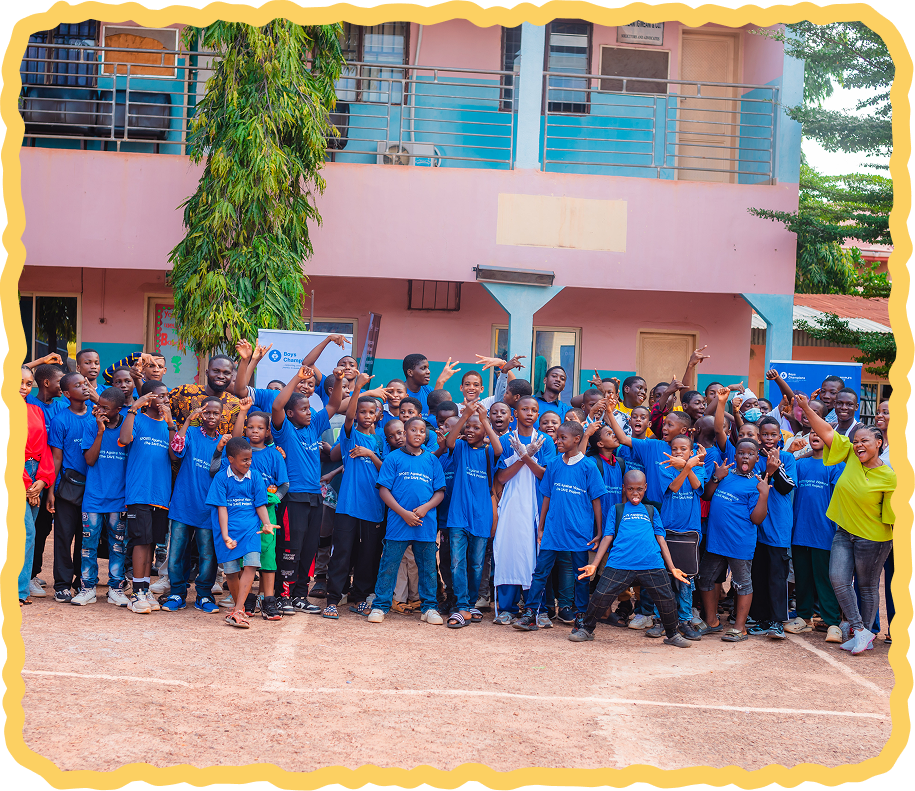
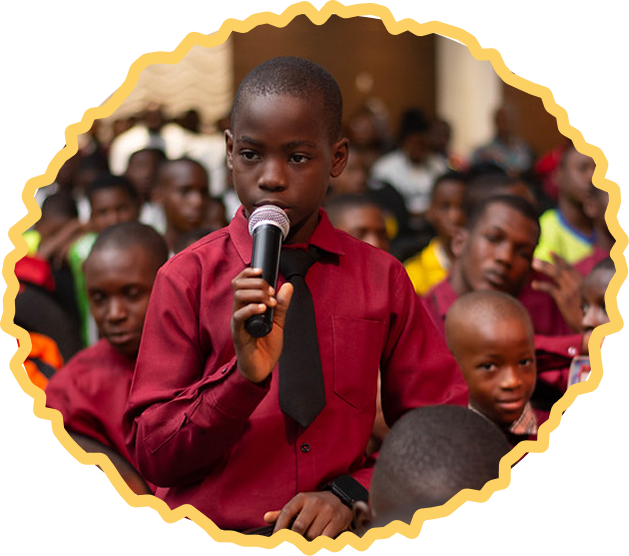
Boys to Men is the core curriculum-based school programme of Boys Champions for boys aged 10 to 18. Delivered across partner schools in Nigeria, it helps boys build emotional literacy, self-regulation, healthier beliefs about masculinity, and stronger ways of relating to girls, peers, and authority. Each cycle runs within a school over a 6 to 12 months period and is later sustained through a Boys Champions Club as part of the school’s extracurricular structure

Rationale

Many boys move through their formative years carrying harmful ideas about strength, emotion, power, and responsibility. Boys to Men intervenes early with structured learning, mentorship, applied skills development, and reinforcement from educators, fathers, and school environments. The annual Boys to Men Summit strengthens this work by deepening learning, building peer identity, and exposing boys to wider networks and role models.

Key Outcomes

Improved emotional literacy, self-regulation, and help-seeking confidence among boys

Reduced acceptance of harmful gender norms and stronger peer accountability

Increased educator engagement and school-level reinforcement of programme values

Stronger continuity through Boys Champions Clubs and alumni pathways

Summary

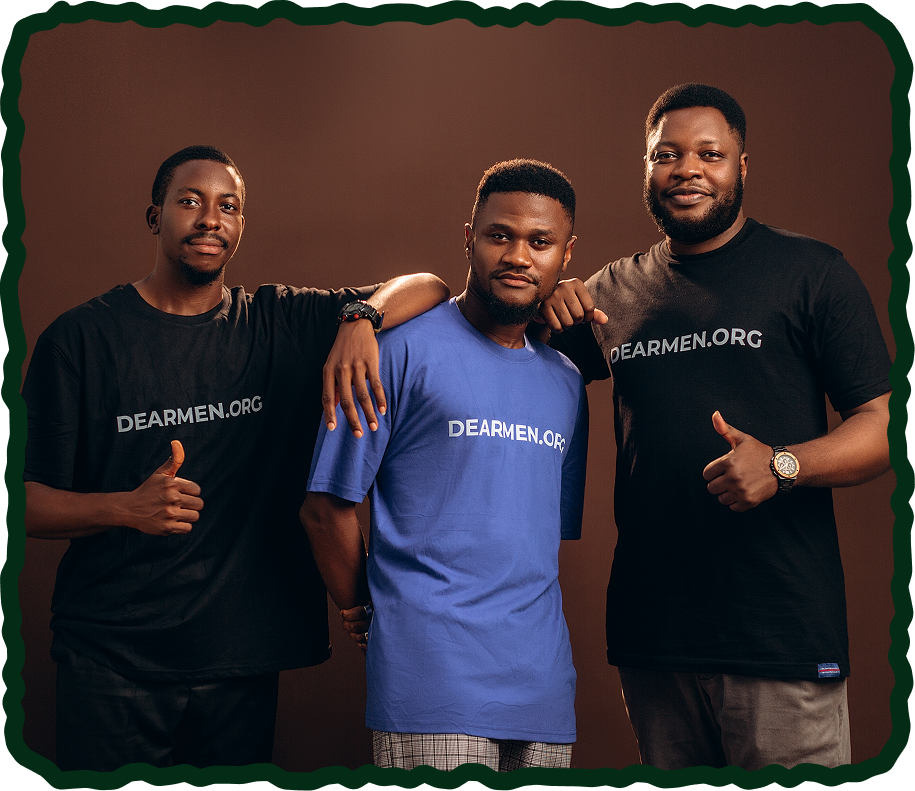
DearMen is the adult and older-youth engagement platform of Boys Champions. It is the main platform through which we work with older boys and men as allies, mentors, fathers, and community actors who can influence the norms that shape families, schools, faith spaces, and community life. DearMen brings together the Fellowship, Circles, Podcast and Radio platform, Male Allies Network, and the Fatherhood Project as one connected system for building healthier masculinity, stronger male accountability, and greater support for gender equality.

Rationale

Many men are expected to lead families and communities without ever being given space to reflect on masculinity, mental health, fatherhood, or responsibility. Culture often rewards silence, emotional suppression, and harmful expressions of power. DearMen responds to this gap by creating structured spaces where men can examine what they have inherited, build healthier values, and act more intentionally as allies for women and girls, stronger fathers, and more responsible community voices.

Key Outcomes

Fellows and male allies actively promote gender equality and healthier masculinity in their communities

In DearMenMen Circles show greater openness, reflection, and accountability

Fatherhood engagement strengthens support for girls’ education, caregiving, and healthier family relationships

Podcast and Radio platforms normalize public conversations on masculinity, fatherhood, mental health, and responsibility

DearMen expands the network of men carrying Boys Champions’ work into communities beyond our direct programme sites

Sports Against Violence Project

Summary

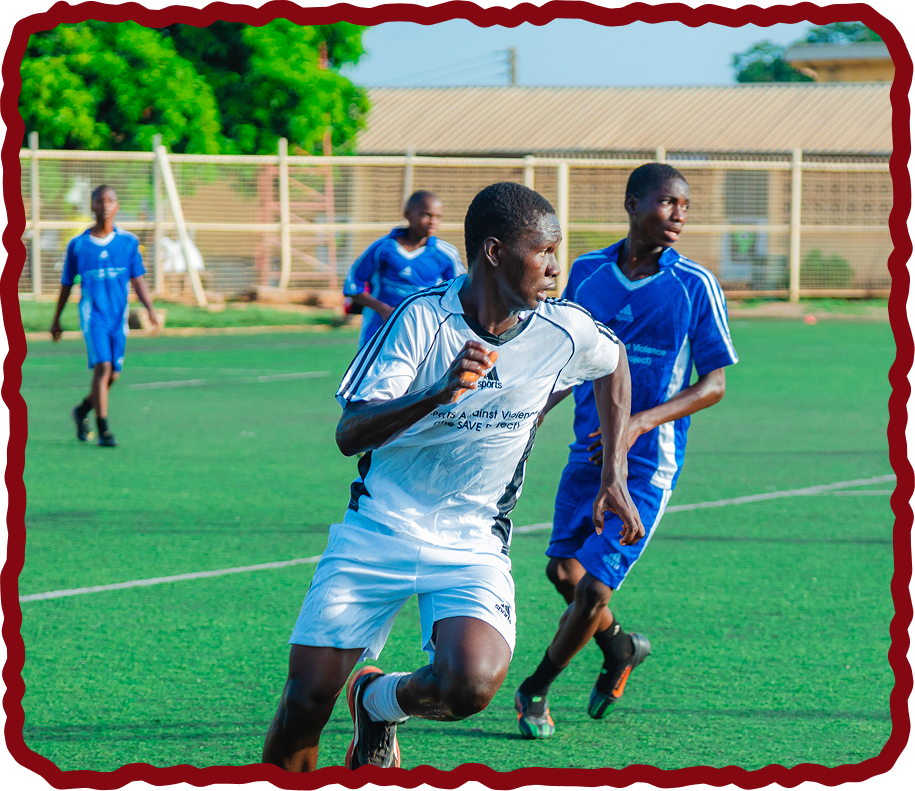
Football is how many boys show up. It is where trust is built, identity is shaped, and behaviour is visible in real time. Through the SAVE Project, Boys Champions uses sport as an entry point to teach respect, accountability, and non-violence. A sport-based programme reaching boys least likely to engage through classrooms. Gender equality values are embedded directly into football competitions and team culture.

Rationale

Disengaged boys are at high risk of perpetuating harmful norms. Sports provide a trusted entry point to teach respect, teamwork, non-violence, and accountability in real time.

Key Outcomes

Documented shifts in conflict resolution behaviour on the pitch

New engagement of boys previously unreachable by classroom programming

SAVE League now an annual competition, integrated into 12-state programme footprint

Podcast and Radio platforms normalize public conversations on masculinity, fatherhood, mental health, and responsibility

DearMen expands the network of men carrying Boys Champions’ work into communities beyond our direct programme sites

How Boys Champions Connects Masculinity, Mental Health, Violence Prevention, and Gender Equality

Boys Champions works from the understanding that restrictive norms around masculinity do not only shape how boys and men treat others. They also shape how boys and men experience distress, cope with pressure, hide vulnerability, seek help, and respond to conflict. The same norms that tell boys not to cry or ask for help can contribute to silence, emotional suppression, risk-taking, aggression, poor coping, and violence. This is why Boys Champions does not treat masculinity, mental health, suicide prevention, and violence prevention as separate issues. They are connected.

Boys Champions addresses the relationship between masculinity, mental health, and violence by helping boys and men build emotional literacy, healthier beliefs, stronger coping, and more accountable ways of relating to others. Our model treats these issues as connected, not separate.

BOYS DESERVE A BETTER FUTURE

GENDER EQUALITY STARTS WITH BOYS

BUILDING BETTER MEN

BOYS DESERVE A BETTER FUTURE

GENDER EQUALITY STARTS WITH BOYS

BUILDING BETTER MEN

BOYS DESERVE A BETTER FUTURE

GENDER EQUALITY STARTS WITH BOYS

BUILDING BETTER MEN

BOYS DESERVE A BETTER FUTURE

GENDER EQUALITY STARTS WITH BOYS

BUILDING BETTER MEN

Boys Champions Nashville

Summary

A structured summer intensive leadership, mentorship life-changing peer adventure for boys aged 12–18 in Davidson County, tailored towards building leadership skills, healthy peer circles, confidence, and purpose, thereby challenging the systemic culture of the school-to-prison pipeline characterized bullying, crime, prison time, disproportionate suspensions, school dropout in Black and brown communities

Rationale

Boys to Men intervenes in summer, the highest-risk period, with structured spaces to counter bullying, online toxicity, and absent mentorship, shifting paths to college over prison. The statistics and data that informs our work highlights why this intervention is important.

Problems

60%

Rise in Black male youth suicide (10-19)

48%

Of boys raised by single mothers in poverty

41st

Ranking for Boys Mental Health Care

20+

Boys lost to Homicide every year

Join us in building a generation of boys who lead with empathy.