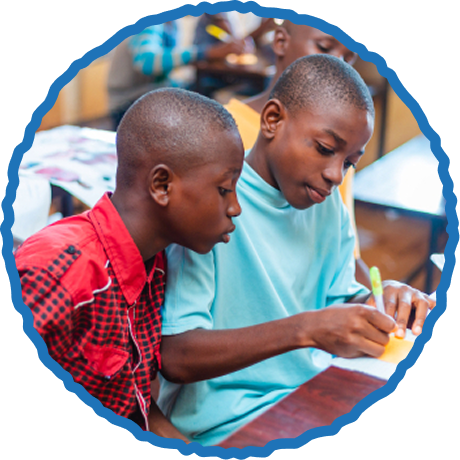
Boys to Men is the core school-based programme of Boys Champions.

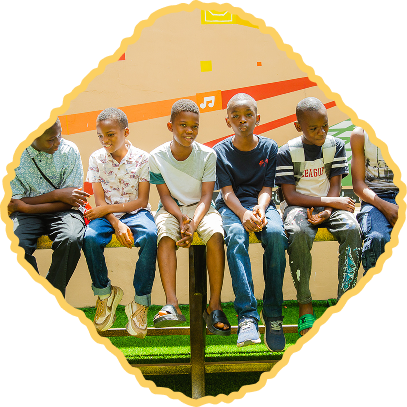
Boys to Men is a curriculum-based programme for boys ages 10 to 18. It works during the years when beliefs about masculinity, emotion, relationships, and responsibility are still being formed. The programme helps boys build emotional literacy, self-control, gender-equitable values, and healthier ways of relating to girls, peers, families, and authority figures before harmful norms become fixed.
Boys to Men sits at the centre of the Boys Champions model. It is the organisation’s main structured behaviour-change programme and the strongest platform for long-term measurement, school-based delivery, and scale. Through Boys to Men, Boys Champions works with boys directly while also engaging the adults and school environments that shape what boys learn over time.
BOYS DESERVE A BETTER FUTURE
GENDER EQUALITY STARTS WITH BOYS
BUILDING BETTER MEN
BOYS DESERVE A BETTER FUTURE
GENDER EQUALITY STARTS WITH BOYS
BUILDING BETTER MEN
BOYS DESERVE A BETTER FUTURE
GENDER EQUALITY STARTS WITH BOYS
BUILDING BETTER MEN
BOYS DESERVE A BETTER FUTURE
GENDER EQUALITY STARTS WITH BOYS
BUILDING BETTER MEN
Why Boys to Men exists
Many boys grow up carrying unexamined beliefs about manhood, strength, power, and emotion. They are often taught to suppress vulnerability, avoid help-seeking, and prove themselves through dominance, silence, or aggression. These norms shape how boys handle conflict, how they treat girls in the classroom, how they respond to pressure, and how they understand themselves.
Boys to Men intervenes during these formative years with a clear curriculum, repeated engagement, and credible adult guidance as role models. The programme works from the view that boys can learn care, accountability, and nonviolence when those values are taught early and reinforced consistently.
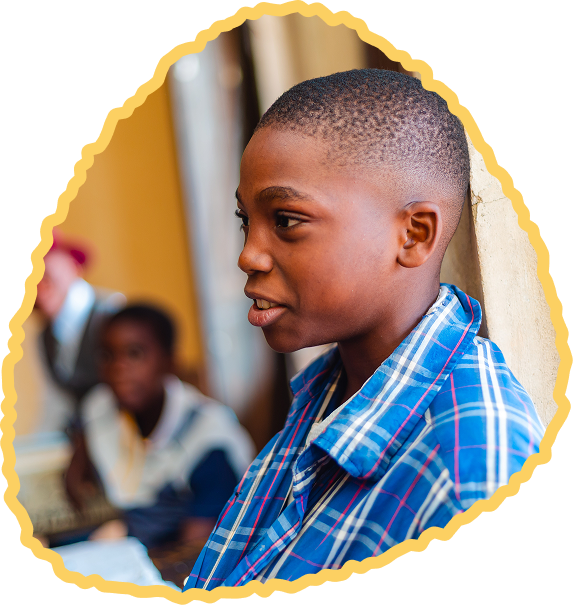
Who Boys to Men reaches
Boys to Men works with boys ages 10 to 18 in school and structured youth settings. It is delivered across partner schools and adapted to the realities boys are facing in those environments. The programme is especially relevant for boys navigating pressure around identity, emotion, peer expectations, conflict, discipline, and relationships.
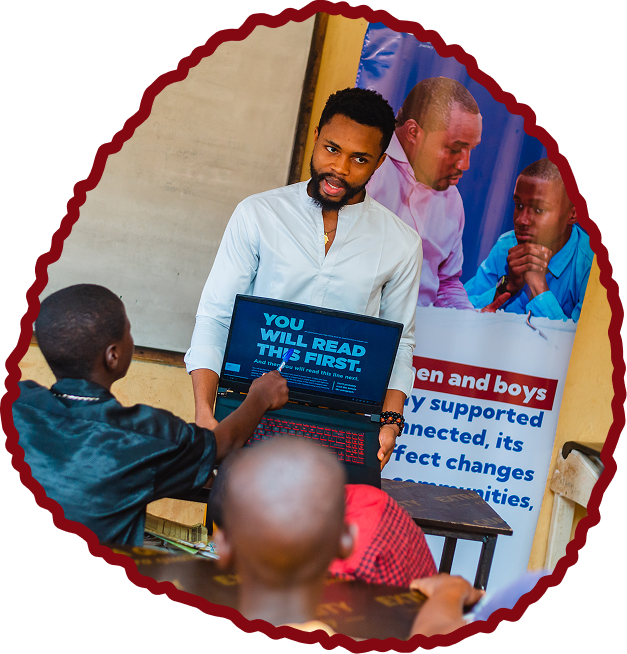
How the programme works
Boys to Men is delivered in structured cycles within partner schools. Each cycle runs for 6 to 12 months in a school and includes recurring facilitated sessions, mentorship, guided reflection, applied skills development, and reinforcement activities delivered over a defined period. This structure allows participation, attendance, and outcome shifts to be tracked by cohort.
At the end of a cycle, the programme is embedded into the school’s extracurricular structure and established as a Boys Champions Club. This is the programme’s sustainability strategy. It allows the work to continue within the school beyond the initial cycle, strengthens peer leadership, and helps the school carry the values and practices forward with ongoing support from Boys Champions.
Boys to Men is designed to work at two levels at once: with boys directly, and with the adults and school environments that reinforce what boys learn over time. That is how the programme moves beyond one-off sessions into lasting change in school culture and peer behaviour.
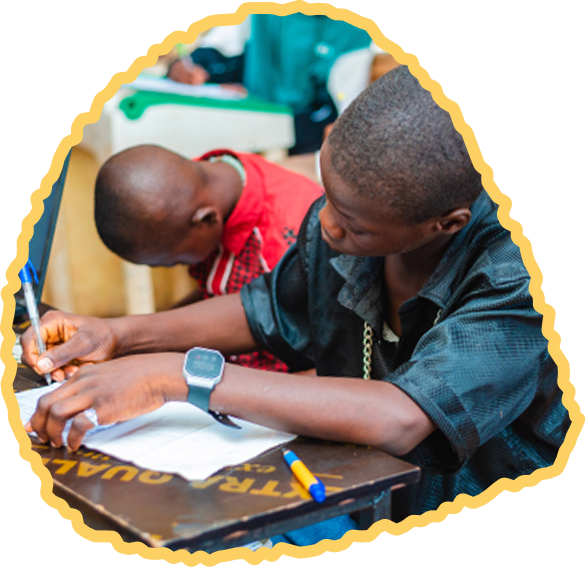
01. Structured Learning Sessions
Boys to Men works with boys ages 10 to 18 in school and structured youth settings. It is delivered across partner schools and adapted to the realities boys are facing in those environments. The programme is especially relevant for boys navigating pressure around identity, emotion, peer expectations, conflict, discipline, and relationships.
02. Emotional Literacy and Regulation
A central part of Boys to Men is helping boys understand what they are feeling and what to do with those feelings. Boys learn how to name emotions, recognize pressure and distress early, practice emotional regulation exercises, manage anger, and respond to conflict without violence. This is one of the programme’s strongest behaviour-change functions because it addresses the silence and poor coping that often sit underneath harmful conduct.
03. Mentorship
Mentorship is a core part of the programme. Boys are connected to mentors and facilitators who model discipline, care, reflection, and accountability. These relationships help make the programme real. They also give boys access to adult men who can guide them through questions of identity, behaviour, ambition, and personal growth.
04. Skills Development and Exposure
Skills development is a critical part of the Boys to Men Program. The programme helps boys build practical abilities that strengthen confidence, discipline, and self-direction. Depending on the cycle and school context, this may include communication, public speaking, teamwork, problem-solving, leadership tasks, creative expression, digital exposure, entrepreneurship exposure, and guided field visits. These are used to connect personal growth with real-world possibility and to help boys see themselves differently.
05. Reflection and Peer Learning
The programme creates space for boys to think about how they respond to conflict, how they handle emotion, how they treat girls and peers, and what kind of men they want to become. Boys learn with and from each other. This matters because many harmful norms are reinforced socially, and they must be challenged socially too.
06. Ecosystem Reinforcement
Boys to Men is strengthened by the adults and systems around boys. The programme engages educators, fathers, mentors, and school partners so that what boys are learning is reinforced beyond a single session. This ecosystem approach is part of what gives the programme its norms-change and systems-change value. It helps shift not only the individual boy, but also the school and adult environment shaping him.
07. Boys Champions Club
At the end of each programme cycle, partner schools establish a Boys Champions Club as the continuing school-based platform for reinforcement, peer leadership, and sustainability. The Club helps carry the programme beyond the initial cycle and creates a structure through which values, reflection, mentorship, and positive peer culture can continue inside the school.

How this connects to the wider Boys Champions model
Boys to Men
Helps boys build emotional literacy, self-regulation, and help-seeking confidence early.

DearMen
Gives older boys and men space to reflect, talk, and lead differently around masculinity, fatherhood, and mental health.
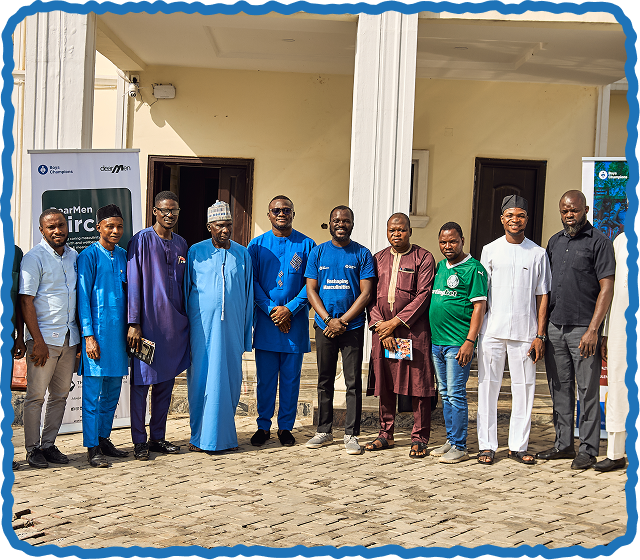
The Fatherhood Project
Strengthens emotional presence, caregiving, and support at home.

SAVE
Reaches boys in high-risk settings through sport, structure, mentorship, and conflict support.
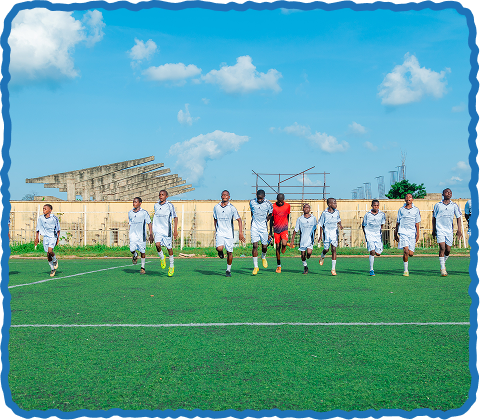
CHAMP and the wider support system
Make it easier for boys and men to get help early and stay connected to it.
Empowering Boys to Heal, Lead, and Create Change
Who Boys to Men reaches

From mastering public speaking to exploring tech skills, learning music, and developing entrepreneurship ideas, the Boys to Men program equips our Champions with essential life skills. With a final retreat and celebration in December, every participant graduates as a confident, purpose-driven young man ready to impact his world.
Bi-weekly Sessions

From mastering public speaking to exploring tech skills, learning music, and developing entrepreneurship ideas, the Boys to Men program equips our Champions with essential life skills. With a final retreat and celebration in December, every participant graduates as a confident, purpose-driven young man ready to impact his world.
A Year of Lasting Impact

Over 12 months, the Boys to Men program guides young men (ages 10-18) through a life-changing journey of self-discovery, leadership, and empowerment. Through sports, music, mentorship, and hands-on training, our Champions develop the skills they need to navigate boyhood to manhood with confidence.
What boys gain through the programme
Boys to Men Program is designed to produce practical gains that support our Champions during the program and throughout their lifetime.











The Boys to Men Summit
The Boys to Men Summit is the annual convening within the wider Boys to Men programme that brings boys, educators, mentors, partners, and role models together to deepen learning, strengthen peer identity, celebrate growth, and expand visibility around the work. The Summit reinforces the programme by exposing boys to wider networks, new ideas, and public recognition of what healthier masculinity can look like in practice.

How Boys to Men supports the wider mission
Boys Champions exists to engage boys and men to change the norms and behaviours that drive inequality, while improving wellbeing and expanding opportunities for women and girls. Boys to Men carries that mission at the earliest and most formative stage. It helps boys build the emotional and social foundations that make healthier adulthood possible. It also contributes to safer school environments, stronger peer accountability, and healthier support for girls as boys grow into men.

What we measure through Boys to Men
Boys to Men is built for structured delivery and measurable change. All outcome data are reported against defined cohorts, not rolled up loosely across years, events, or unrelated activities.
Participation and delivery
- Schools implementing the programme
- Cohorts launched and completed
- Boys enrolled by cohort
- Attendance and retention
- Mentors and facilitators engaged
- Educator participation linked to the programme
- Reinforcement activities completed
- Boys Champions Clubs established in partner schools
Near-term outcomes
- Improved emotional literacy
- Stronger ability to name emotions
- Improved self-regulation
- Increased help-seeking confidence
- Reduced acceptance of harmful gender norms and violence
- Stronger peer accountability
- Healthier beliefs about masculinity and responsibility
Longer-term outcomes
- Healthier peer behaviour
- Safer school environments
- Stronger support for girls and more respectful relationship
- Improved school engagement and discipline
- Stronger continuity through Boys Champions Clubs
- More responsible expressions of masculinity over time
Current programme materials already point to strong signals in attitudinal change, educator engagement linked to programme delivery, and alumni progression support.
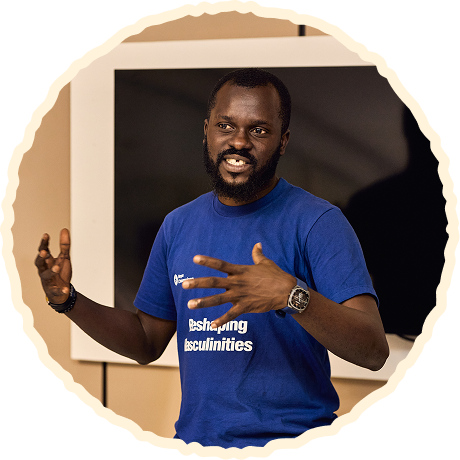

What People Are Saying
Boys To Men
16-year-old participant
I used to think crying made me weak. Now I know that talking about my feelings makes me stronger and helps me understand myself better. It also helps me be a better friend to those around me.
Boys To Men
16-year-old participant
I used to think crying made me weak. Now I know that talking about my feelings makes me stronger and helps me understand myself better. It also helps me be a better friend to those around me.
Boys To Men
16-year-old participant
I used to think crying made me weak. Now I know that talking about my feelings makes me stronger and helps me understand myself better. It also helps me be a better friend to those around me.
Why this programme matters
Boys to Men gives schools and partners a clear structure for early intervention, behaviour-focused support, and long-term norm change. It is school-based, curriculum-driven, repeatable, and linked to the wider systems around boys. Its value lies in combining direct work with boys, reinforcement through adults and schools, and continuity through Boys Champions Clubs.