Boys and men need support they can reach

Many boys and men are dealing with stress, anger, grief, trauma, and emotional pressure without support. They are often taught by their environments to stay silent, hide vulnerability, and deal with problems alone. That silence has consequences for their own wellbeing, for how they relate to others, and for how harm shows up later in homes, schools, and communities. Boys Champions built CHAMP AI, trains fathers as mental health care providers and has developed its wider mental health support system to respond to that need.

We do not treat mental health, masculinity, violence, and behaviour as separate issues. They are connected. The same norms that teach boys not to cry, not to ask for help, and not to show weakness also shape poor coping, emotional shutdown, aggression, isolation, and harm. Our work responds to that whole picture. While CHAMP is the digital entry point, the wider support structure behind it helps move boys and men toward deeper care when needed.


BOYS DESERVE A BETTER FUTURE

GENDER EQUALITY STARTS WITH BOYS

BUILDING BETTER MEN

BOYS DESERVE A BETTER FUTURE

GENDER EQUALITY STARTS WITH BOYS

BUILDING BETTER MEN

BOYS DESERVE A BETTER FUTURE

GENDER EQUALITY STARTS WITH BOYS

BUILDING BETTER MEN

BOYS DESERVE A BETTER FUTURE

GENDER EQUALITY STARTS WITH BOYS

BUILDING BETTER MEN

CHAMP AI is the digital front door to support.

CHAMP AI gives boys and men an immediate, private way to begin. Through WhatsApp and other digital channels, users can talk about stress, anger, grief, pressure, identity, and relationships in language that feels familiar and easy to use.

Many boys and men will not begin with a counsellor, a clinic, or a public support group. Most times, they begin where they feel least exposed – their smart phones. CHAMP gives them that first step.

What CHAMP AI does

Gives boys and men a place to start

Helps them name what they are feeling

Offers guidance and reflection prompts

Supports early coping and self-understanding

Connects users to human support when deeper care is needed

CHAMP AI does not replace counsellors or therapists but helps boys and men reach support earlier and faster.

Human and community support

Support must continue beyond first contact.

Boys and men also need trusted people, safe spaces, follow-through, and clear pathways into deeper care. This is the human side of the model.

Layers Includes

Toll-free helpline support

School-based counselling

DearMen’s Circles

Peer and community support

Referral pathways

Trauma-informed care

01. Toll-Free Helpline

The helpline gives boys and men direct access to trained support when they need immediate conversation, guidance, or referral. It is part of the first human response behind CHAMP and helps close the gap between distress and real care.

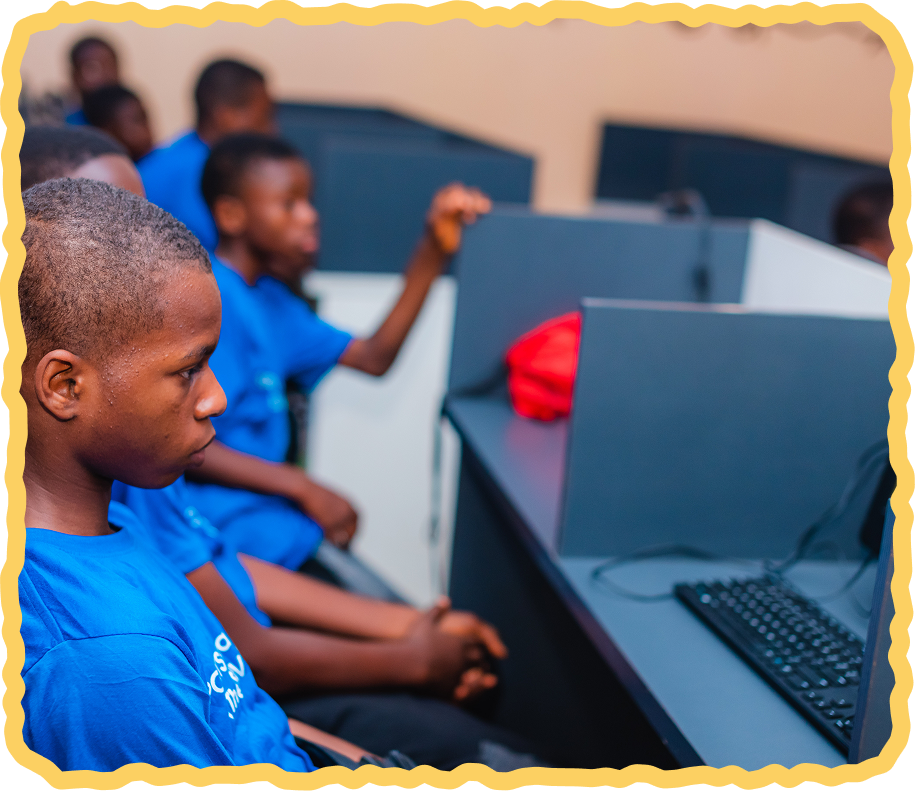
Boys Champions works within schools to make support more available where boys are already spending their time. This reduces the distance between distress and help, and it strengthens early response in places where boys’ struggles are often missed or dismissed.

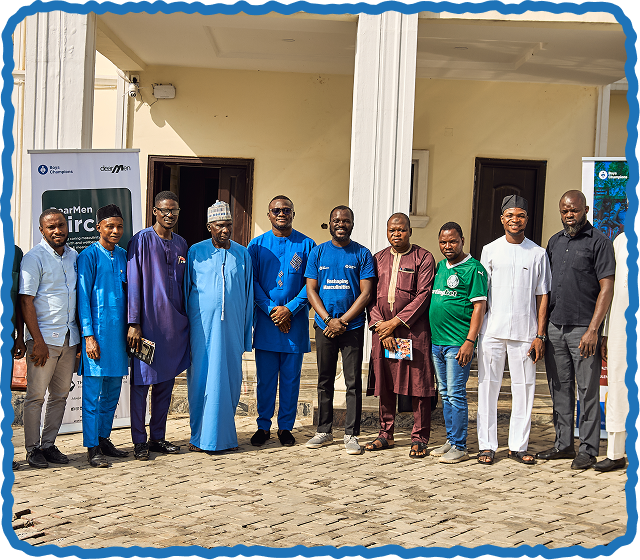
DearMen’s Circles are recurring, facilitated spaces where older boys and men can speak honestly about pressure, masculinity, fatherhood, mental health, relationships, and responsibility.

The Circles help reduce isolation, strengthen belonging, and create room for reflection and follow-through after first contact through CHAMP, the helpline, or other Boys Champions programmes.

Support is easier to continue when people do not feel alone in it. Boys Champions strengthens mental health support through peer relationships, mentors, fathers, facilitators, and trusted community actors who make help-seeking more acceptable and less isolating.

This is also where norms begin to shift. When boys and men see care, openness, and accountability modeled around them, support stops feeling abnormal.

Some boys and men need more than conversation, reflection, or peer support. Boys Champions uses referral pathways to connect users to trained therapists, psychologists, counsellors, and other appropriate services. Higher-risk cases are moved upward through a defined support pathway.

Boys Champions uses a trauma-informed approach across this entire model. We work with the understanding that distress, silence, harmful coping, and violence often have deeper roots. Our programmes, counselling, digital support, and referrals are designed to respond with care, safety, and context rather than shame or judgment.

Boys Champions does not treat mental health as a side issue. It sits inside the wider work of changing harmful norms and behaviour.

Restrictive ideas about masculinity shape how boys and men understand strength, emotion, relationships, and help-seeking. Those same ideas can also produce silence, self-isolation, aggression, risk-taking, and poor coping. That is why our mental health work is tied directly to caring masculinity, violence prevention, and gender equality.

When boys and men have stronger emotional language, healthier coping, and more trusted support, they are better able to:

How this connects to the wider Boys Champions model

Men’s mental health does not sit outside the rest of our work. It runs through it.
Boys to Men

Helps boys build emotional literacy, self-regulation, and help-seeking confidence early.

Gives older boys and men space to reflect, talk, and lead differently around masculinity, fatherhood, and mental health.

Strengthens emotional presence, caregiving, and support at home.

Reaches boys in high-risk settings through sport, structure, mentorship, and conflict support.

Make it easier for boys and men to get help early and stay connected to it.

What We Measure

We measure the digital side, the human side, and the outcomes that sit between them.

Technology and service metrics

What People Are Saying

SAVE

16-year-old participant

I used to think crying made me weak. Now I know that talking about my feelings makes me stronger and helps me understand myself better. It also helps me be a better friend to those around me.

Boys To Men

16-year-old participant

I used to think crying made me weak. Now I know that talking about my feelings makes me stronger and helps me understand myself better. It also helps me be a better friend to those around me.

DearMen

Father, DearMen Parent Breakfast

I used to think crying made me weak. Now I know that talking about my feelings makes me stronger and helps me understand myself better. It also helps me be a better friend to those around me.

Join us in building a generation of boys who lead with empathy.